Intel
11/03/2026

Jeff Brothers
Supply Chain | Critical Minerals
Most conversations about ammunition supply focus on the big inputs: steel shell bodies, propellant, explosives. But a round only works if something starts the reaction, and for a large share of military ammunition that something depends on antimony. On November 27, China's one-year pause on its ban on antimony exports to the United States is set to expire. Unless Beijing extends it, the ban applies again.
Energetic systems work as a chain. A small, sensitive charge ignites a larger, more stable one, which ignites the main propellant or explosive. That first link is usually a primer. When the firing pin strikes it, the primer mix has to produce a reliable burst of heat and flame that lights the propellant, every time, in desert heat and arctic cold.
Antimony trisulfide is a key ingredient in many of those primer mixes. It acts as a fuel that burns hot alongside the initiating explosive and oxidizer, and it helps primers perform consistently across temperature extremes. The US Army says military-grade antimony sulfide goes into nearly 30 percent of all military ammunition items. Antimony is also alloyed with lead to harden bullets. Without the primer, the rest of the round, including the nitrocellulose-based propellant, is inert. A shortage of a material measured in pounds can idle production measured in millions of rounds.
The world mined about 110,000 tonnes of antimony in 2025, according to the US Geological Survey. China produced about 40,000 tonnes, Russia about 32,000 and Tajikistan about 22,000, together roughly 85 percent of supply. Refining is even more concentrated, with most of the world's refined antimony coming out of Chinese smelters, so ore mined elsewhere often passes through China anyway. Most demand comes from flame retardants and other civilian uses, which means defense buyers compete for a small, tight pool.
China has used that position. It stopped supplying the specialized military-grade antimony sulfide to the United States in 2021. It required export licenses for antimony to every destination from September 2024, then banned exports to the United States outright in December 2024. Prices roughly tripled between mid-2024 and mid-2025. The November 2025 suspension of the US ban did not remove the licensing requirement, and the ban on exports to US military end users stayed in place.
The United States is working on it. Perpetua Resources is redeveloping the Stibnite site in Idaho, the only identified domestic antimony reserve, backed by Army and Defense Production Act funding. In July 2026 the Army, Perpetua and Idaho National Laboratory opened a prototype facility to refine military-grade antimony sulfide. But mining at Stibnite is scheduled to begin in late 2028. Until then, the gap has to be covered by stockpiles, allied sources and whatever licenses Beijing chooses to grant.
Antimony is a clear example of a broader problem: the vulnerability in munitions is often upstream, in small-volume inputs that never make headlines until they run short. Rebuilding energetics capacity means mapping and securing every input in the chain, from acids and cellulose to primer ingredients, and treating them as the critical chemicals they are. November 27 is a useful test of how ready we are.
Sources: China Ministry of Commerce Announcements No. 33 and 46 of 2024 and No. 72 of 2025; US Geological Survey; US Army PAE Agile Sustainment and Ammunition (July 2026); Reuters (November 2025).
The Lab
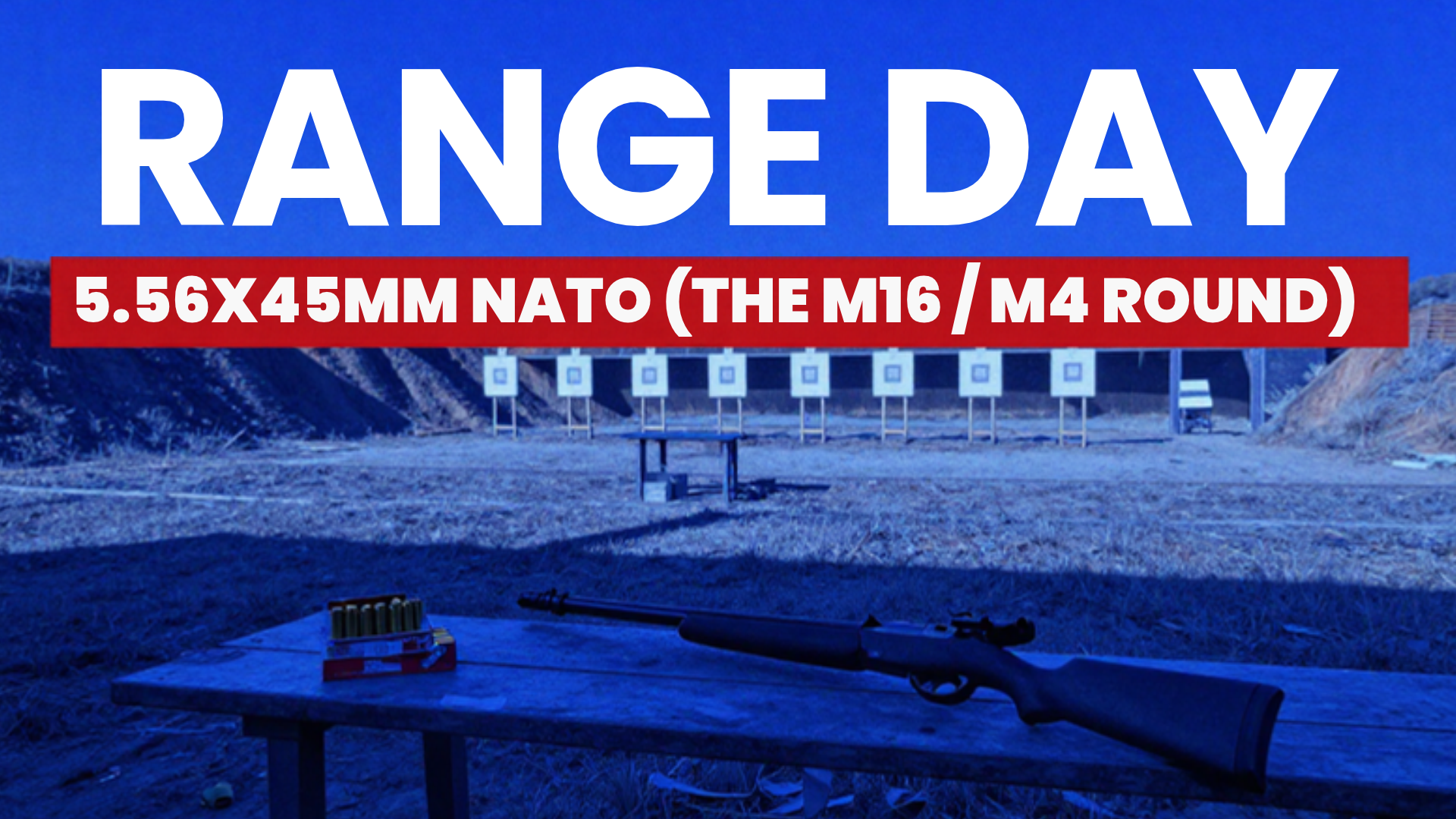
We take apart the 5.56x45mm NATO, the M16 and M4 round, from Eugene Stoner's AR-15 to the powder that jammed rifles in Vietnam.
11/21/2026
The Lab
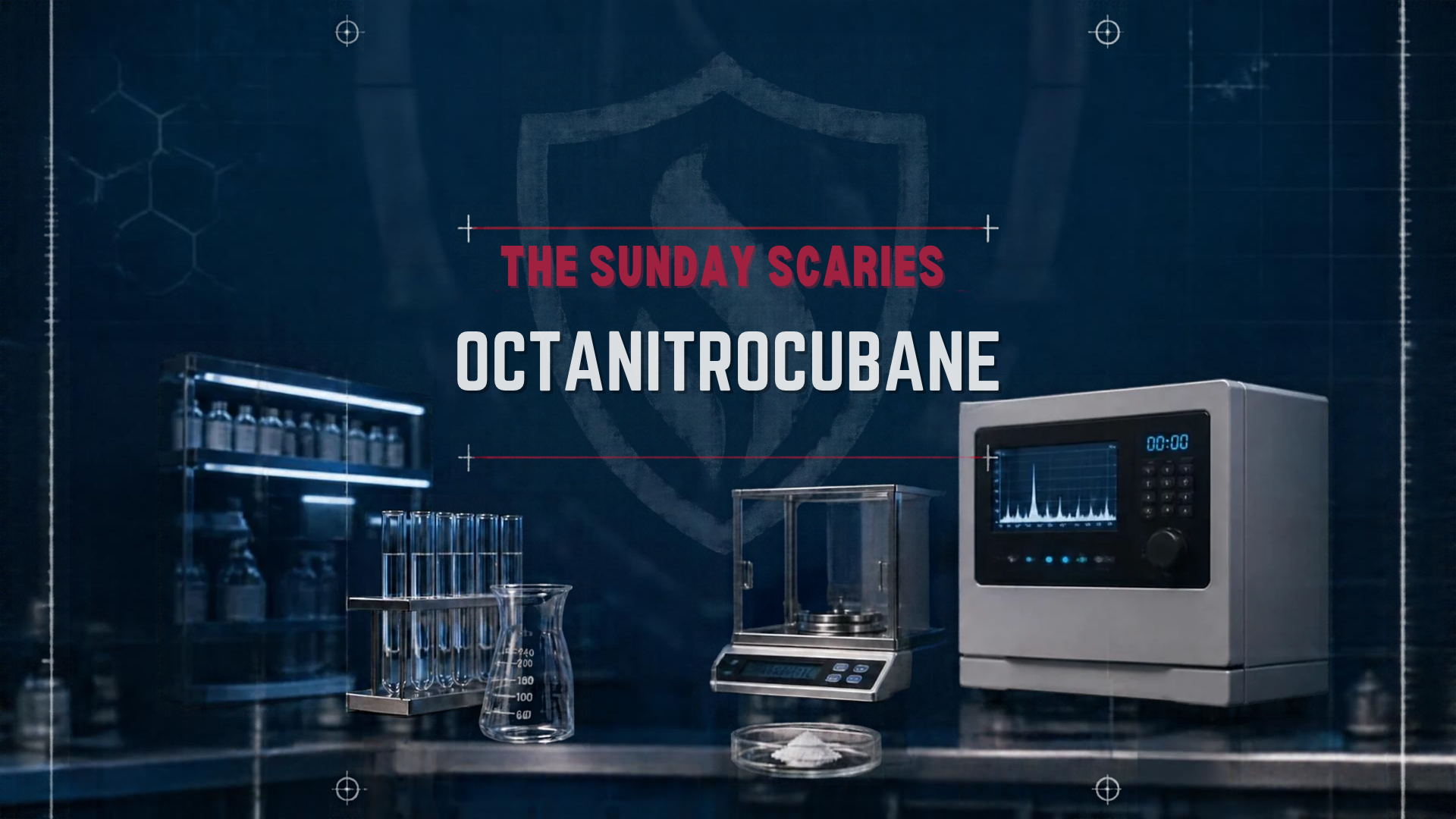
How an Army chemist's idea for a cube-shaped explosive took 15 years to build, beat HMX on paper, and still never left the lab.
11/15/2026
The Lab
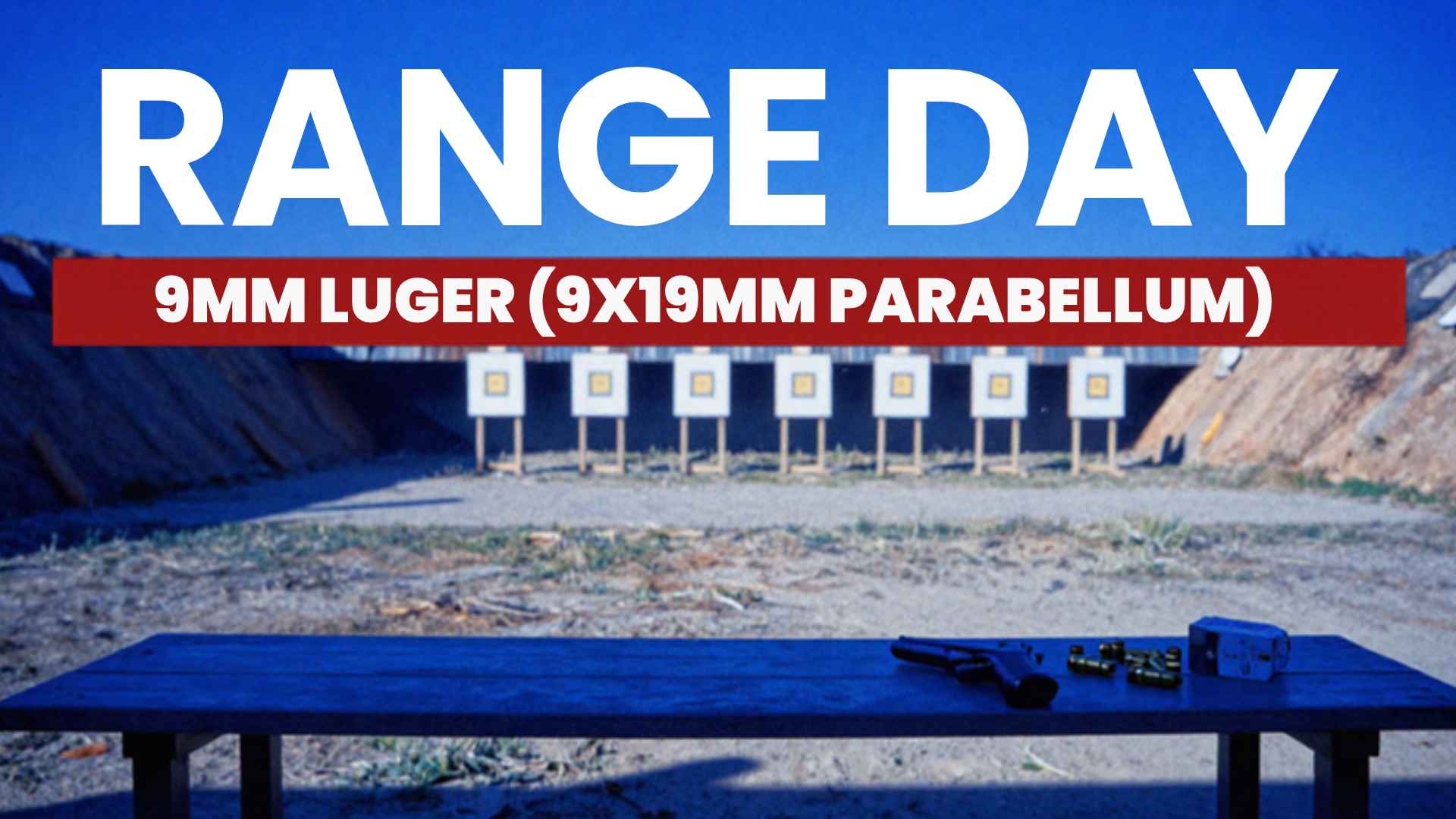
We take apart the 9mm Luger, from Georg Luger's 1902 design to the case, primer, powder and bullet inside every round.
11/14/2026


Copyright © 2026 Supply Energetics All Rights Reserved.
Discover
Copyright © 2026 Supply Energetics All Rights Reserved.



 Contact Us