News
01/25/2026

Eliot Pence
Market volatility is the new normal in NC production
In the world of nitrocellulose (NC) production, we are used to market volatility. But every so often, a data point emerges that makes the entire industry pause. The recent release of the U.S. Army’s Solicitation W519TC-25-R-0034 for small caliber ammunition is one of those moments.
The Army has established a baseline price for Nitrocellulose at $3.82 per pound. To anyone operating in the commercial energetic materials market in 2026, that number looks less like a market rate and more like a relic of a bygone era.
For private producers, pricing is a math problem involving raw materials, specialized labor, high-stakes insurance, and massive capital expenditure (CapEx) for safety-critical facilities. So, how does the government arrive at $3.82?
The answer lies in the GOCO (Government-Owned, Contractor-Operated) model. The $3.82 baseline is anchored to the Radford Army Ammunition Plant (RFAAP). Because the government owns the infrastructure and often funds modernization through separate industrial base grants, the "unit price" is shielded from the CapEx burdens that private manufacturers must recoup to stay solvent.
The most telling part of the solicitation isn't the price itself—it's the safety valves the government had to build around it. The RFP reveals that even the Army is worried about this baseline holding up:
For commercial producers and contractors, this RFP is a masterclass in risk management. It shows a government that is simultaneously trying to maintain "legacy" pricing while creating complex contractual exits for when that pricing inevitably fails to meet the market.
As we move further into 2026, the question for the industry isn't just "Who can produce the most?" but "Who can most accurately price the risk of an unstable global supply chain?" At $3.82/lb, the Army is betting that their GOCO infrastructure can bridge the gap. In the commercial world, we know the true cost of energetics is much higher.

News
Our latest milestone reinforces our commitment to safeguarding UK data, mitigating digital risks, and maintaining the highest standards of cybersecurity.
10/08/2026
News
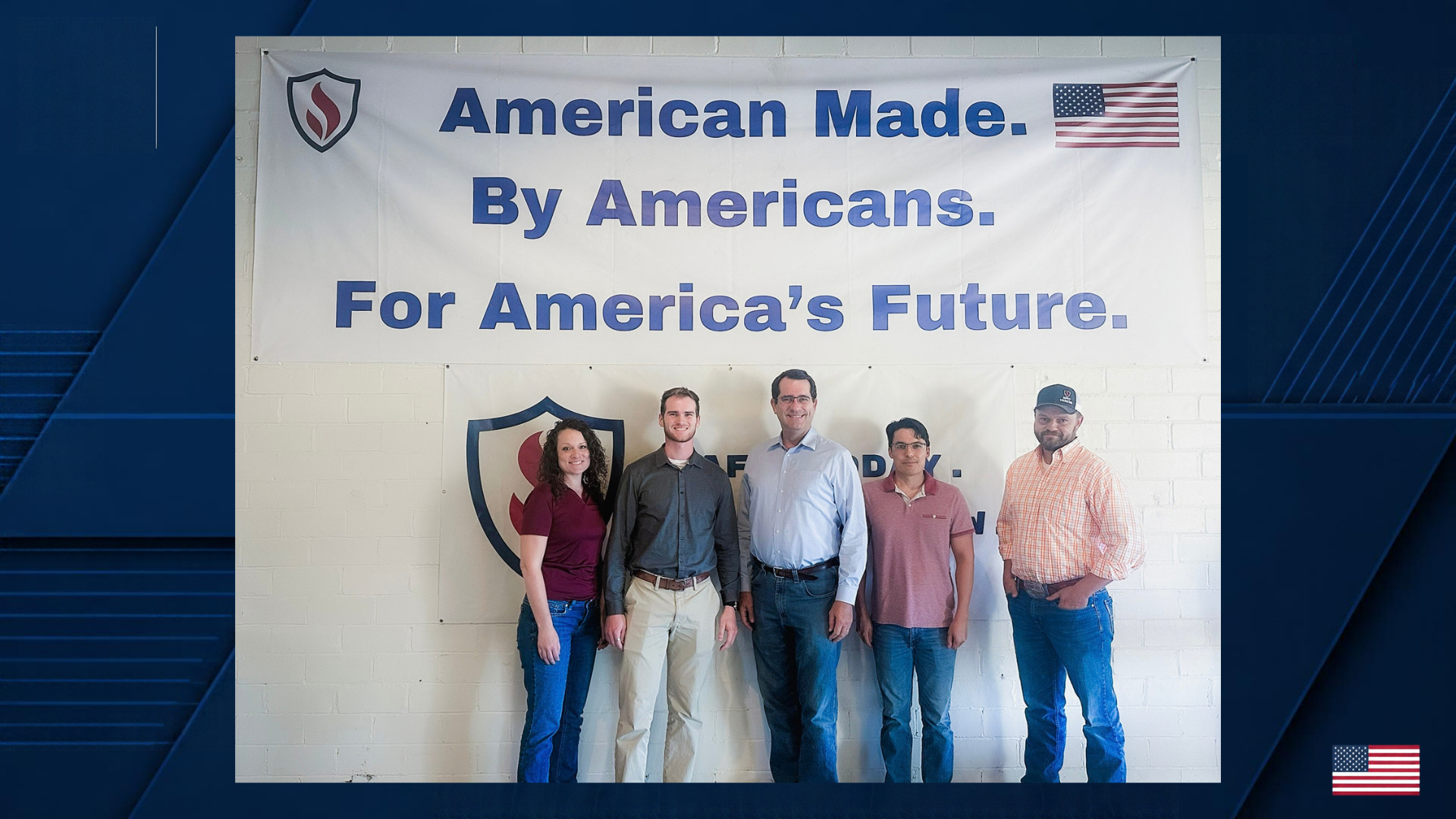
Supply Energetics recently hosted Congressman Derek Schmidt at our Parsons, Kansas facility to showcase our commitment to American-made manufacturing and local job growth. Read more about the visit.
10/07/2026

Intel
President Trump announced that 18 munition plants are currently under construction across the U.S. Here is a look at the key facility projects, missile integration plants, and artillery foundries scaling up production.
09/28/2026


Copyright © 2026 Supply Energetics All Rights Reserved.
Discover
Copyright © 2026 Supply Energetics All Rights Reserved.



 Contact Us