Intel
12/02/2025

Jason Nichols
The United States munitions and energetics industrial base is currently navigating a period of profound structural transformation. We are moving away from a post-Cold War era of consolidation and into a renewed era of capacity expansion, supply chain resilience, and technological sovereignty.
For us, this landscape presents a historically significant window of opportunity.
At our core, we understand the critical nature of Nitrocellulose (NC) - the fundamental chemical precursor for the vast majority of military propellants. However, looking at the trajectory of the defense sector, it has become clear that staying in the lower tiers of the value chain is no longer enough. To truly serve the needs of the Department of Defense and the broader market, we must evolve.
We are writing today to articulate a clear strategic vision: We are transitioning from a component supplier to a vertically integrated Platform Company in the Ordnance and Tactical Systems (OTS) space.
This transition is not about reinventing the wheel; it is about analyzing the proven mechanisms of growth used by the industry's most successful players. The transition from a raw material supplier to a tactical systems integrator requires not just capital, but the strategic accumulation of intellectual property in energetic formulation, warhead design, and system integration.
Over the coming days, we will be publishing a series of deep-dive posts analyzing the "playbooks" of the dominant incumbents and the disruptive new entrants that define this sector. We will be digging into the specific strategies of:
The industry is actively seeking to decouple from fragile, single-point-of-failure supply chains. The current market dynamic rewards those who can bring "greenfield" capacity online and reduce reliance on legacy bottlenecks.
By studying these case studies, we are mapping our own path. We believe that "he who controls the energetic material controls the system." Our goal is to replicate the success of vertically integrated leaders, moving from a commodity chemical supplier to a Tier 1 defense partner capable of delivering complete solutions.
Stay tuned as we break down these strategies in our upcoming posts.
News
Our latest milestone reinforces our commitment to safeguarding UK data, mitigating digital risks, and maintaining the highest standards of cybersecurity.
10/08/2026
News
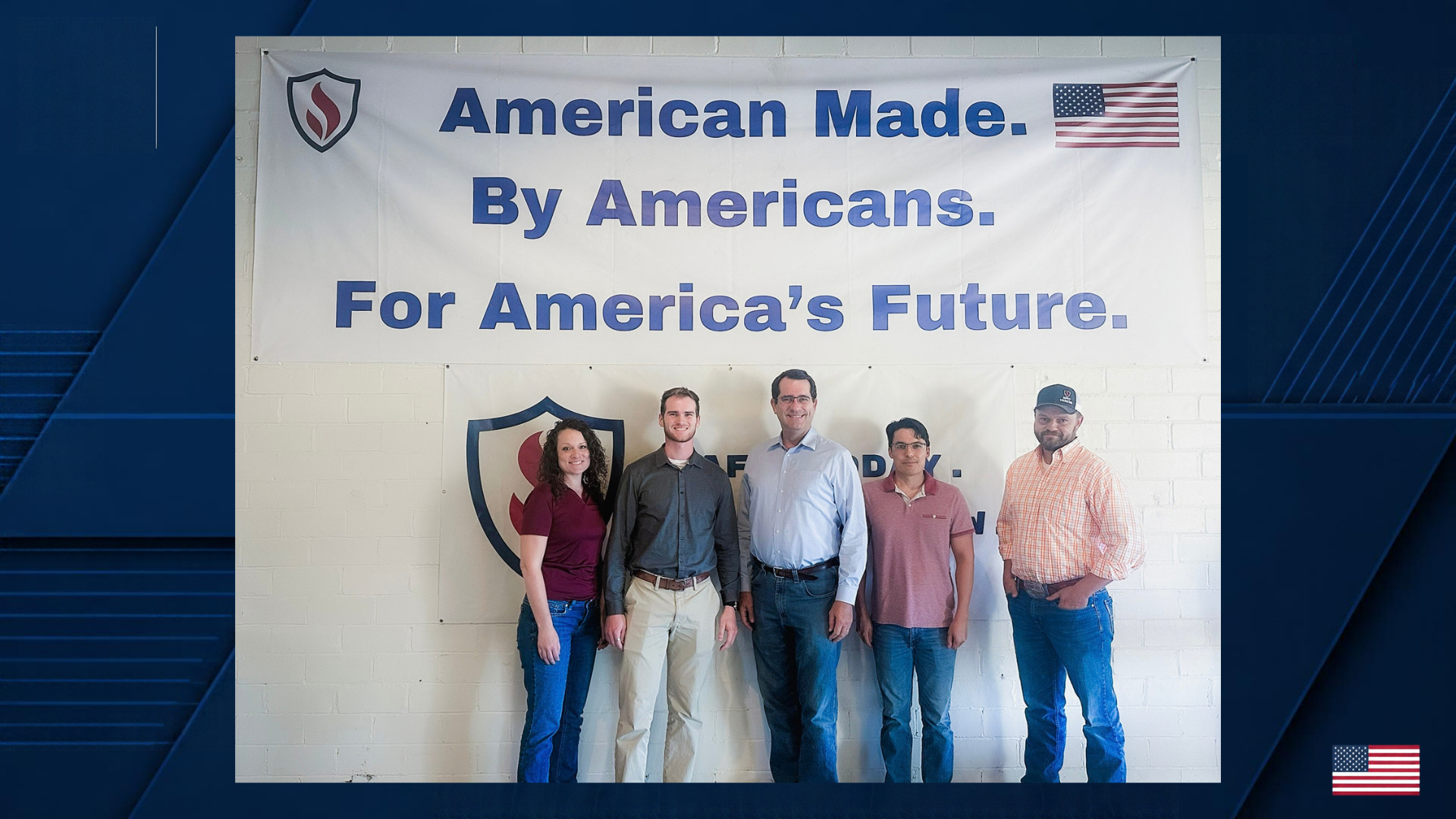
Supply Energetics recently hosted Congressman Derek Schmidt at our Parsons, Kansas facility to showcase our commitment to American-made manufacturing and local job growth. Read more about the visit.
10/07/2026

Intel
President Trump announced that 18 munition plants are currently under construction across the U.S. Here is a look at the key facility projects, missile integration plants, and artillery foundries scaling up production.
09/28/2026


Copyright © 2026 Supply Energetics All Rights Reserved.
Discover
Copyright © 2026 Supply Energetics All Rights Reserved.



 Contact Us