News
01/28/2026

Anna Tombazzi
The UK MOD has initiated a massive strategic pivot
The process is heating up. In a move that signals a fundamental shift in British defense strategy, the Ministry of Defense (MOD) has officially launched the next phase of its "factories of the future" initiative.
For industry observers, this is more than just a procurement update; it is a decisive admission that the "hollowed-out" approach of the past is no longer viable in today's threat environment.
To understand the significance of this week’s announcement, one must look at the trajectory of the UK’s industrial base. For decades, the UK’s munitions supply was a sovereign capability, anchored by the state-owned Royal Ordnance Factories (ROFs).
However, following privatization in 1987 and the subsequent "peace dividend," the domestic industrial footprint shrank dramatically. The closure of the Bishopton propellant factory in 2002 and the Bridgwater high-explosives plant in 2008 effectively ended large-scale, sovereign energetics production in the UK. Since then, the British Armed Forces have relied heavily on global supply chains for the raw "bang" inside their bullets and missiles.
Following the recommendations of the Strategic Defense Review, the government is now reversing that trend. The goal is to establish a sovereign, "always on" pipeline for munitions supply that can withstand global shocks and surge demands.
The Key Numbers:
The MOD has released specific guidance inviting industry proposals, providing the clearest look yet at what these factories will actually produce. The requirement is not just for assembly, but for the synthesis of nine critical energetic materials, including:
With construction on the first sites expected to begin in 2026, the timeline is aggressive. The initiative aims to support the immediate needs of the UK Armed Forces while ensuring the sustained ability to support allies, including Ukraine.
This is the most significant step towards rebuilding the UK's industrial resilience in a generation. We are moving from a strategy of "just in time" back to a strategy of "just in case"- and finally, back to "made in Britain."

News
Our latest milestone reinforces our commitment to safeguarding UK data, mitigating digital risks, and maintaining the highest standards of cybersecurity.
10/08/2026
News
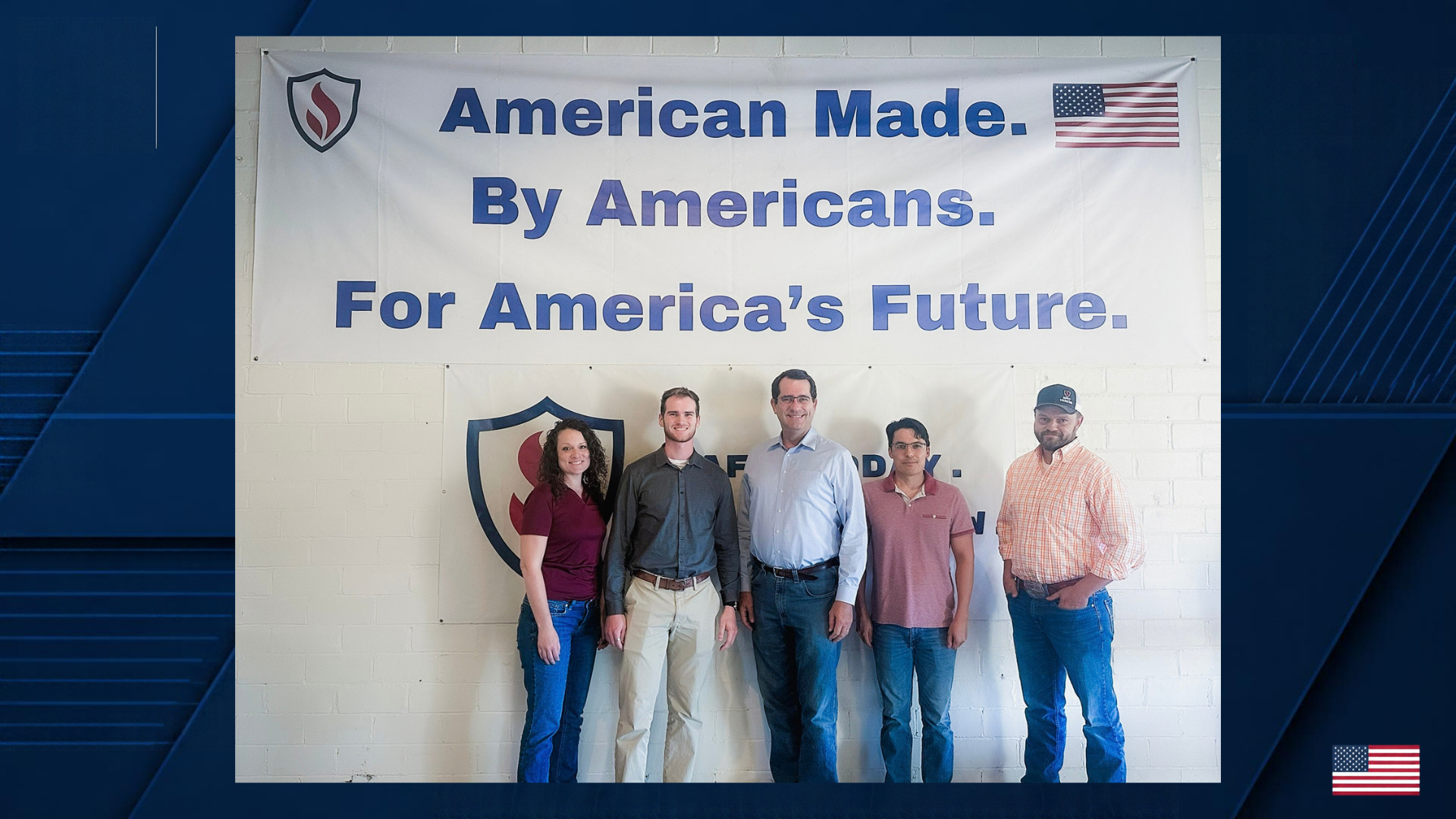
Supply Energetics recently hosted Congressman Derek Schmidt at our Parsons, Kansas facility to showcase our commitment to American-made manufacturing and local job growth. Read more about the visit.
10/07/2026

Intel
President Trump announced that 18 munition plants are currently under construction across the U.S. Here is a look at the key facility projects, missile integration plants, and artillery foundries scaling up production.
09/28/2026


Copyright © 2026 Supply Energetics All Rights Reserved.
Discover
Copyright © 2026 Supply Energetics All Rights Reserved.



 Contact Us