Intel
10/15/2026

Jeff Brothers
Field Recap From Our AUSA Visit
Coming off the floor at the 2026 Association of the United States Army (AUSA) Annual Meeting & Exposition in Washington, D.C., the directive across halls, panels, and exhibit floors was undeniable: the velocity of modern warfare requires an immediate transformation in how we power, supply, and sustain the force.
Here are our top notes and key takeaways from AUSA 2026 and what they mean for the future of operational energy, materials, and logistics:
Autonomy wasn't just a theme at AUSA 2026-it dominated the conversation. Leadership underscored this shift with news of a major $50 billion funding request to rapidly scale robotic and autonomous systems across the services. From autonomous ground breaching vehicles to uncrewed aerial systems (UAS) and robotic logistics, the hardware is moving to the front lines.
However, advanced software and autonomous algorithms are ultimately constrained by energy storage and discharge capacities. As payload demands increase and uncrewed swarms operate deeper in contested environments, the defense industrial base must deliver higher gravimetric energy density, rapid discharge capabilities, and resilient chemical energetics to keep these systems active on the move.
Lessons from recent conflicts-and panels hosted at AUSA-focused heavily on the threat of low-cost, coordinated drone swarms. The defense response relies on layered architectures: from high-power microwave (HPM) systems and 50mm air defense platforms to rapid-interceptor launchers. These systems require immense, repeatable surge power and specialized, highly reliable energetic components to sustain continuous engagement cycles without failing in critical operational windows.
Under Pillar 3 of the Army's supply chain initiatives, AUSA updates highlighted a push toward predictive logistics intelligence. The goal is simple: identify stockouts, lane disruptions, and critical material chokepoints before they hit line-unit readiness. In a world of contested logistics, building resilient supply chains means leveraging domestic production, removing Foreign Entity of Concern (FEOC) dependencies, and ensuring every critical power component and energetic material can be sourced with full traceability.
Standardization was another recurring operational requirement. Modular Open Systems Approaches (MOSA) are expanding deeper into energy storage and field power delivery. Swappable battery topologies, standardized energetic modules, and microgrid-compatible storage platforms are critical to shortening logistics tails and allowing rapid field maintenance without deep depot support.
The Sunday Scaries exist to keep us focused on the horizon. At AUSA 2026, the message was clear: defense energy is no longer an auxiliary support function-it is a primary weapon system capability. At Supply Energetics, we are dedicated to staying ahead of that curve, securing resilient supply chains, and delivering the advanced power solutions that ensure critical programs are always mission-ready.

The Lab
Learn how a "push-pull" molecule called FOX-7 turned the rules of insensitive munitions upside down.
10/18/2026
The Lab
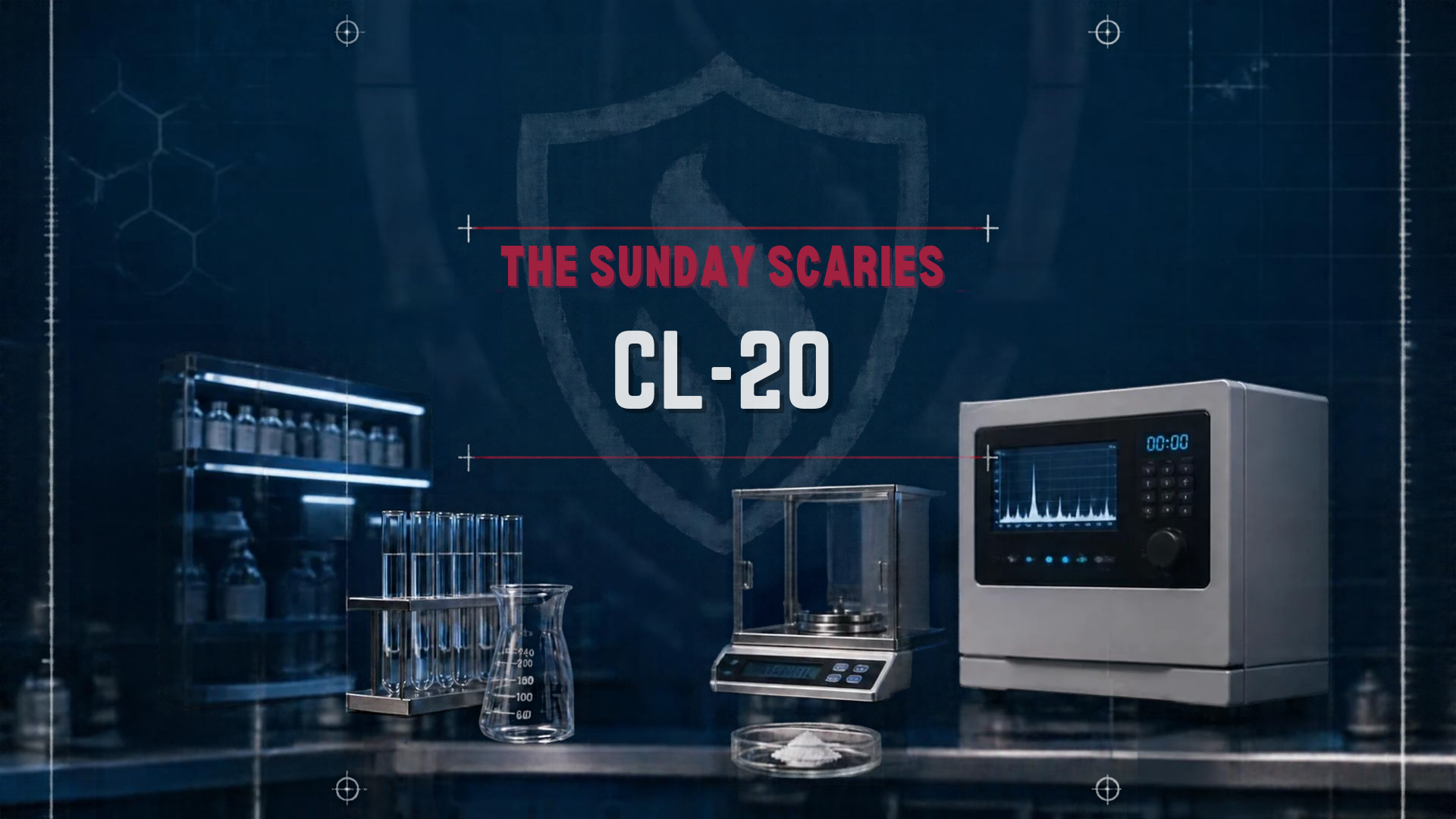
Here is the story behind CL-20, the cage strain that powers it, and the global race to manufacture it at scale.
10/11/2026

News
Our latest milestone reinforces our commitment to safeguarding UK data, mitigating digital risks, and maintaining the highest standards of cybersecurity.
10/08/2026


Copyright © 2026 Supply Energetics All Rights Reserved.
Discover
Copyright © 2026 Supply Energetics All Rights Reserved.



 Contact Us