News
05/01/2026

Anna Tombazzi
BioMADE Member Meeting Readout
As the global security environment shifts toward "contested logistics" and the need for immediate industrial surge capacity, the American biomanufacturing sector is undergoing a fundamental transformation. At the recent BioMADE Member Meeting in Washington, D.C., the conversation moved decisively away from the "bigger is better" philosophy of the last decade and toward a more agile, resilient, and sovereign-focused model.
Here are the four most critical readouts from the sessions that are defining the future of the domestic defense industrial base.
For decades, the "Valley of Death" in biomanufacturing has been paved with the wreckage of companies that couldn't survive the jump from lab-bench success to massive, capital-intensive industrial plants. The 2026 meeting signaled a formal pivot toward "Compressed Manufacturing."
Led by initiatives from ISU, BioMADE, and Schmidt Sciences, the industry is moving to compress the traditional biorefinery into smaller, modular footprints. The goal is to reduce the massive Capital Expenditure (CapEx) required for 100,000-liter fermenters and instead utilize "right-sized" separation trains and modular units. This allows the industry to move at "commercial velocity" without the decade-long lead times associated with legacy chemical infrastructure.
A recurring theme across the technical briefings was the requirement for Point-of-Need manufacturing. In a conflict where long-range supply convoys and centralized ports are at risk, the Department of Defense (DoD) requires the ability to manufacture critical materials closer to the front lines.
The readout from the "Making Something Out of Nothing" session highlighted a future where remote bases use gas fermentation (CO2/Ethanol) and agricultural waste to produce everything from textiles and lubricants to carbon fiber. This decentralized network isn't just about efficiency; it’s a strategic imperative to ensure survivability in environments where traditional logistics are disrupted.
In a fireside chat with the Assistant Secretary of War for Science and Technology, the conversation turned to the "sovereign-first" feedstock mandate. The U.S. remains dangerously dependent on foreign-sourced precursors-most notably the Chinese cotton linters that form the foundation of our munitions supply chain.
The meeting highlighted a massive technical push into Alternative Cellulose Sources. By leveraging American agricultural waste, wood residues, and soy-based molasses, the industry is working to "onshore the production of needed products" entirely. The goal is a 100% domestic pipeline where the "bio-based" alternative isn't just a sustainable choice, but a national security requirement.
One of the most practical sessions focused on the use of Techno-Economic Analysis (TEA) to de-risk pilot campaigns. In 2026, the standard for government and BioMADE support has shifted: it is no longer enough to prove the "biology works" in a lab.
Industry leaders shared how they are now using TEA to model industrial economics from MRL 3 to MRL 7, predicting cost-effectiveness before a single piece of stainless steel is purchased. This data-driven approach ensures that new manufacturing technologies aren't just technically viable, but economically resilient enough to survive a competitive global market once government subsidies end.
The 2026 BioMADE readout confirms that the American industrial base is not just being rebuilt; it is being reinvented. The focus is now on survivability, modularity, and speed. By "shrinking" the refinery and diversifying the feedstock, the U.S. is creating a domestic manufacturing ecosystem that is as flexible as it is lethal.
News
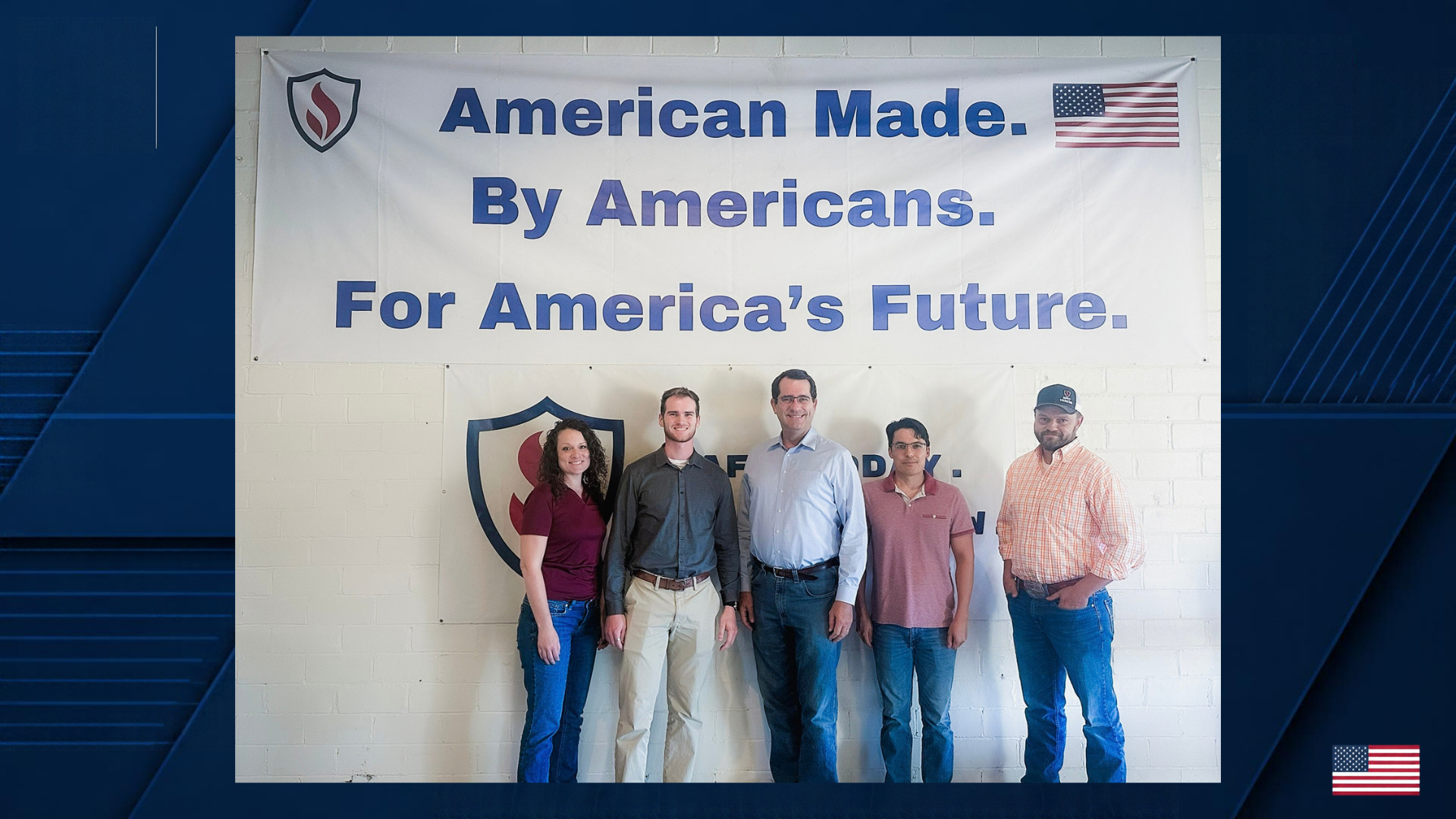
Supply Energetics recently hosted Congressman Derek Schmidt at our Parsons, Kansas facility to showcase our commitment to American-made manufacturing and local job growth. Read more about the visit.
10/07/2026

Intel
President Trump announced that 18 munition plants are currently under construction across the U.S. Here is a look at the key facility projects, missile integration plants, and artillery foundries scaling up production.
09/28/2026
The Lab
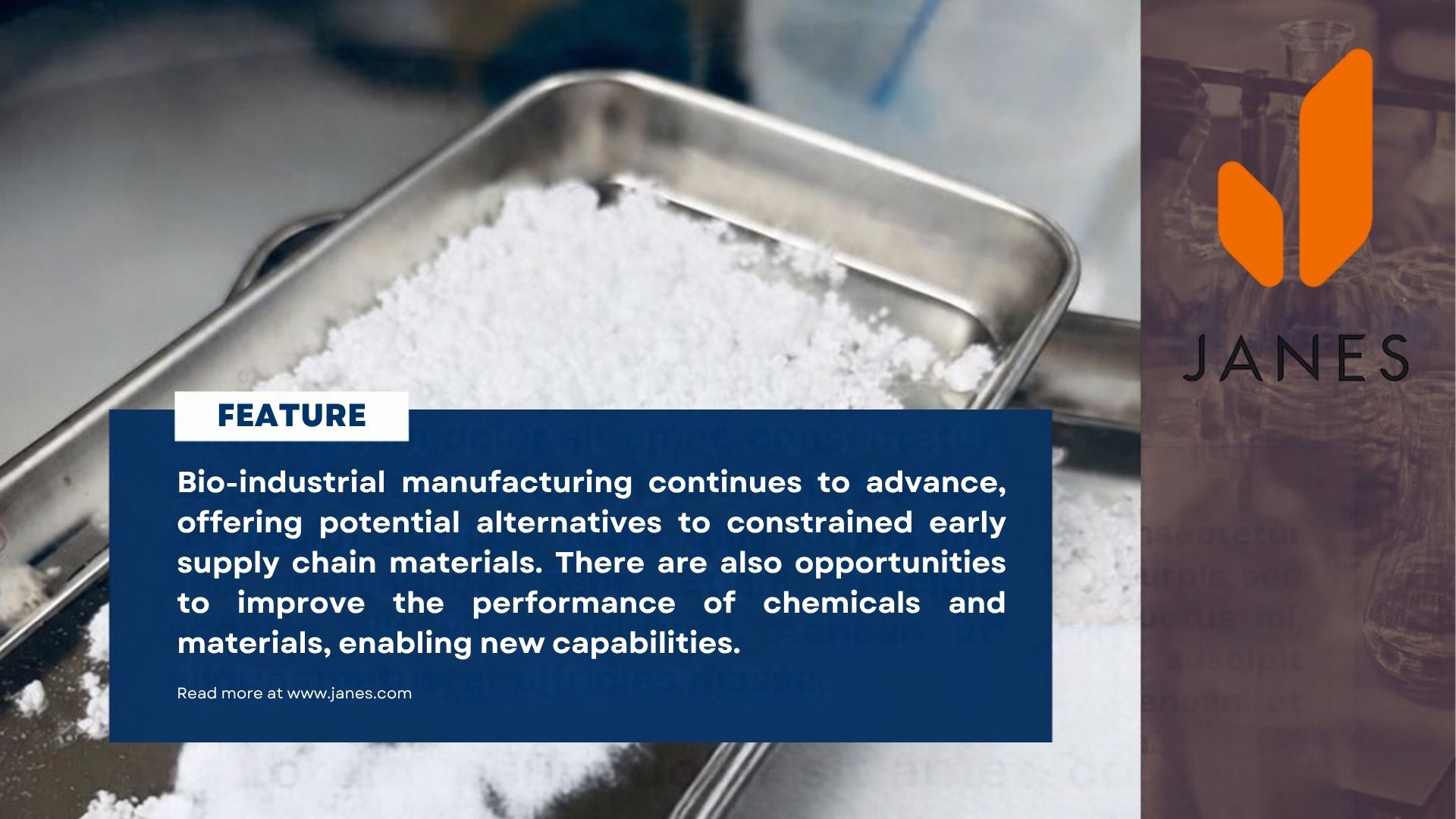
Discover how Supply Energetics is advancing domestic defense manufacturing. By partnering with BioMADE to nitrate alternative, bio-derived cellulose, we're working supply chain constraints.
09/24/2026


Copyright © 2026 Supply Energetics All Rights Reserved.
Discover
Copyright © 2026 Supply Energetics All Rights Reserved.



 Contact Us