The Lab
03/30/2026

Mike Brown
OIB Modernization & Circular Energetics
In the effort to modernize the Organic Industrial Base (OIB), the conversation usually centers on production volume. But at Supply Energetics, we believe the "Next-Gen" facility is defined as much by what it saves as what it ships.
A recently released technical report from the U.S. Army Engineer Research and Development Center (ERDC)-The Use of Nitrocellulose Production Waste for Energy Generation-provides the scientific roadmap for exactly what we are engineering.
Link = https://erdc-library.erdc.dren.mil/server/api/core/bitstreams/fcdedec4-8fd9-41cd-acf7-684f2ece9496/content
Traditional Nitrocellulose (NC) manufacturing produces "fines"-microscopic energetic fibers that escape into wastewater streams. Historically, these have been an expensive environmental liability, requiring complex filtration and hazardous waste disposal. For a modern "Point-of-Need" facility, hauling away hazardous sludge isn't just an environmental issue; it’s a logistics vulnerability.
The ERDC researchers didn’t just look for a way to destroy these fines; they looked for a way to harvest them. By subjecting NC waste to high temperatures and pressures through Hydrothermal Liquefaction and Gasification, the study explored the conversion of energetic waste into combustible Methane (CH4).
At Supply Energetics, we are integrating these "Circular" concepts into our facilities.
The benefits of this "Waste-to-Energy" loop include:
The future of the Organic Industrial Base (OIB) is modular, automated, and self-sustaining. We are no longer just building a supply chain; we are building a resilient, circular ecosystem.
News
Our latest milestone reinforces our commitment to safeguarding UK data, mitigating digital risks, and maintaining the highest standards of cybersecurity.
10/08/2026
News
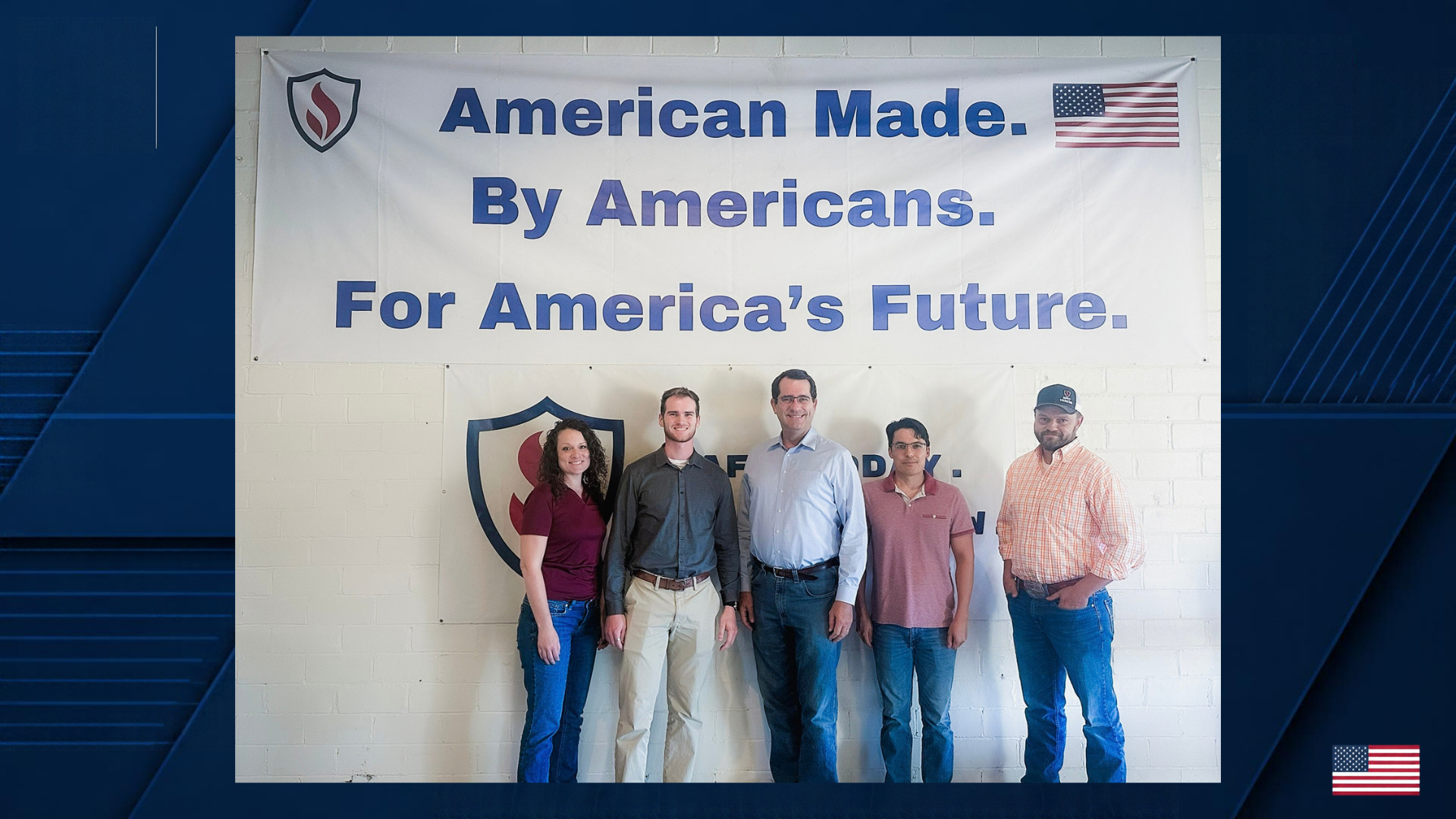
Supply Energetics recently hosted Congressman Derek Schmidt at our Parsons, Kansas facility to showcase our commitment to American-made manufacturing and local job growth. Read more about the visit.
10/07/2026

Intel
President Trump announced that 18 munition plants are currently under construction across the U.S. Here is a look at the key facility projects, missile integration plants, and artillery foundries scaling up production.
09/28/2026


Copyright © 2026 Supply Energetics All Rights Reserved.
Discover
Copyright © 2026 Supply Energetics All Rights Reserved.



 Contact Us