The Lab
02/23/2026

Patrick McNeill
Technical Innovation
For nearly a century, the production of energetics has relied on the same fundamental chemistry: the "mixed acid" process. By combining nitric and sulfuric acids, manufacturers create the reactions necessary to power everything from small arms to strategic interceptors.
However, this legacy process comes with a heavy industrial footprint. It generates millions of gallons of acidic waste, requires massive footprints for batch processing, and presents significant environmental and safety challenges.
A new solicitation from the Strategic Environmental Research and Development Program (SERDP)-the DoD’s environmental science and technology program-signals that the era of "business as usual" is coming to an end.
Traditional nitration is often a "brute force" chemical process. To achieve the nitrogen levels required for military-grade propellants (like those defined in MIL-DTL-244C), plants utilize enormous quantities of sulfuric acid as a dehydrating agent.
The results are often:
The SERDP Statement of Need, "Alternative Nitration of Energetic Molecules," explicitly calls for a redesign of this chemical architecture. The DoD is looking for researchers and industrial partners who can deliver:
At Supply Energetics, we believe that domestic resilience and environmental stewardship are not mutually exclusive—they are inextricably linked.
As we validate alternative cellulose feedstocks and deploy modern acid recovery systems, we are aligning directly with this vision of cleaner nitration. Modernizing the US arsenal doesn't just mean building more; it means building smarter. By reducing the waste and hazard profile of our chemistry, we create a more agile, more deployable, and more sustainable industrial base.
The "factories of the future" aren't just defined by their output—they are defined by their efficiency.

News
Our latest milestone reinforces our commitment to safeguarding UK data, mitigating digital risks, and maintaining the highest standards of cybersecurity.
10/08/2026
News
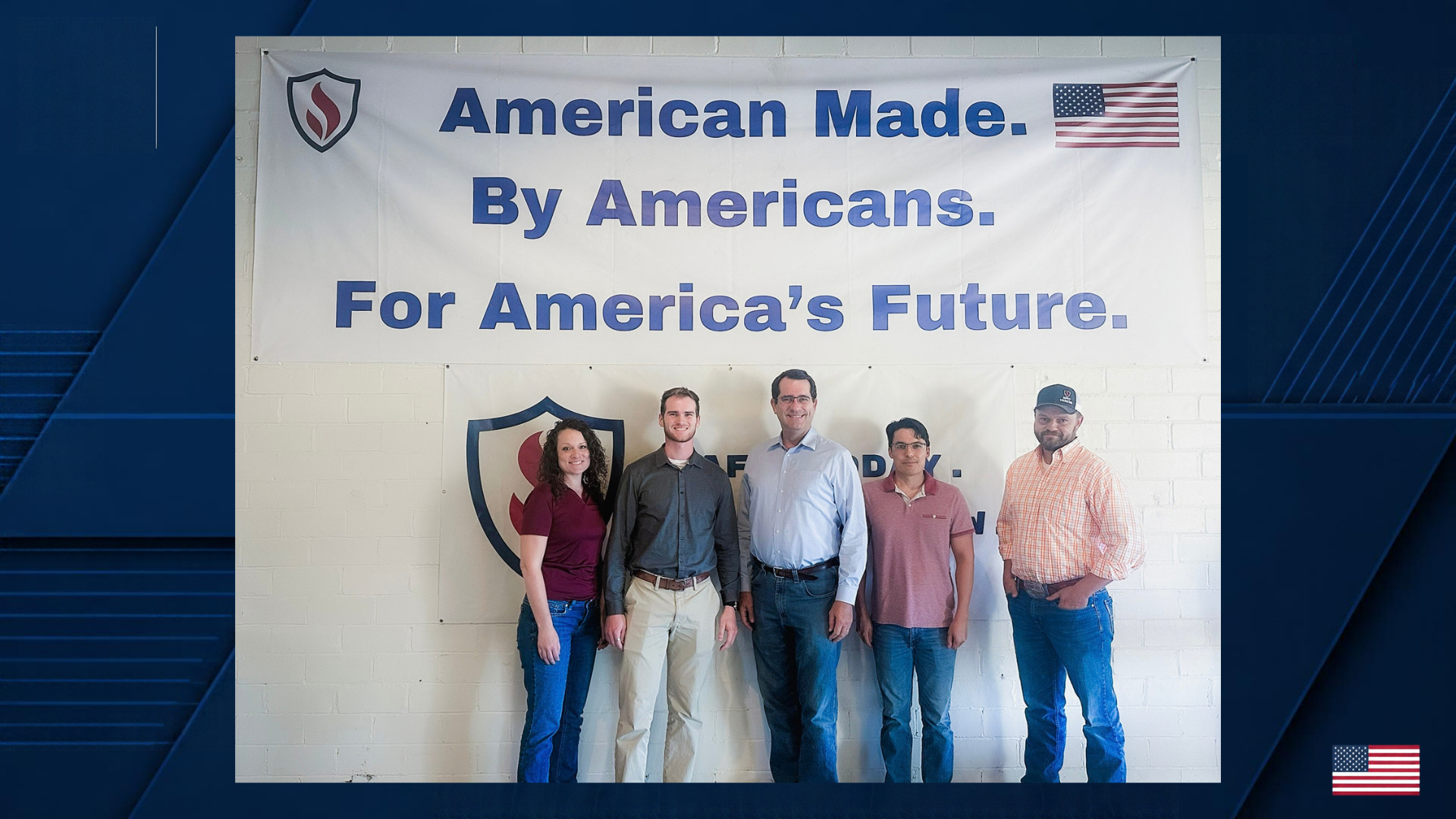
Supply Energetics recently hosted Congressman Derek Schmidt at our Parsons, Kansas facility to showcase our commitment to American-made manufacturing and local job growth. Read more about the visit.
10/07/2026

Intel
President Trump announced that 18 munition plants are currently under construction across the U.S. Here is a look at the key facility projects, missile integration plants, and artillery foundries scaling up production.
09/28/2026


Copyright © 2026 Supply Energetics All Rights Reserved.
Discover
Copyright © 2026 Supply Energetics All Rights Reserved.



 Contact Us