News
04/09/2026

Anna Tombazzi
UK MOD FCAP Update
The announcement that the UK Ministry of Defence (MoD) is seeking to stand up at least six new munitions factories was a landmark moment for Allied industrial strategy. But as the Future Capability Ammunition Partnership (FCAP) moves from a conceptual framework to a funded reality, the granular details of the "downselection" process reveal a significant shift in how the "Department of War" intends to partner with private industry.
The 50/50 Co-Investment Model The most critical takeaway from the recent FCAP updates is the move toward a shared-risk financial model. While the UK has committed a total of £1.5 Billion to energetics and munitions, the government is not footing the entire bill. By implementing a £45M ($56M) Grant Cap per project, the MoD is effectively offering a 50% co-investment to companies that can bring their own capital and agility to the table.
This is a direct invitation for private capital-venture, private equity, and industrial leaders-to take a foundational role in national security.
The "Target 9": Prioritizing the Molecule The FCAP downselection is laser-focused on nine specific "Target Materials" that represent the most critical bottlenecks in the modern supply chain. These include:
The MoD is no longer just buying "rounds"; they are investing in the chemical sovereignty required to make those rounds in perpetuity. By opening "Phased Investment Windows" starting in 2026, the UK is ensuring that the race remains competitive, allowing agile manufacturers who can prove rapid-scale capability to enter the fold even if they missed the initial feasibility rounds.
A Blueprint for Allied Resilience The FCAP initiative mirrors the "Supply Energetics Model" we have pioneered in the United States. It prioritizes:
The Path Forward The UK’s "Always On" strategy is more than a procurement program; it is a recognition that industrial capacity is a form of deterrence. As the FCAP downselection continues, the winners will be the firms that can blend chemical expertise with the speed of private-sector execution.
At Supply Energetics, we are watching this rollout closely. The UK isn't just rebuilding a hollowed-out industry; they are setting the global standard for what a modern, resilient, and sovereign industrial base looks like.
News
Our latest milestone reinforces our commitment to safeguarding UK data, mitigating digital risks, and maintaining the highest standards of cybersecurity.
10/08/2026
News
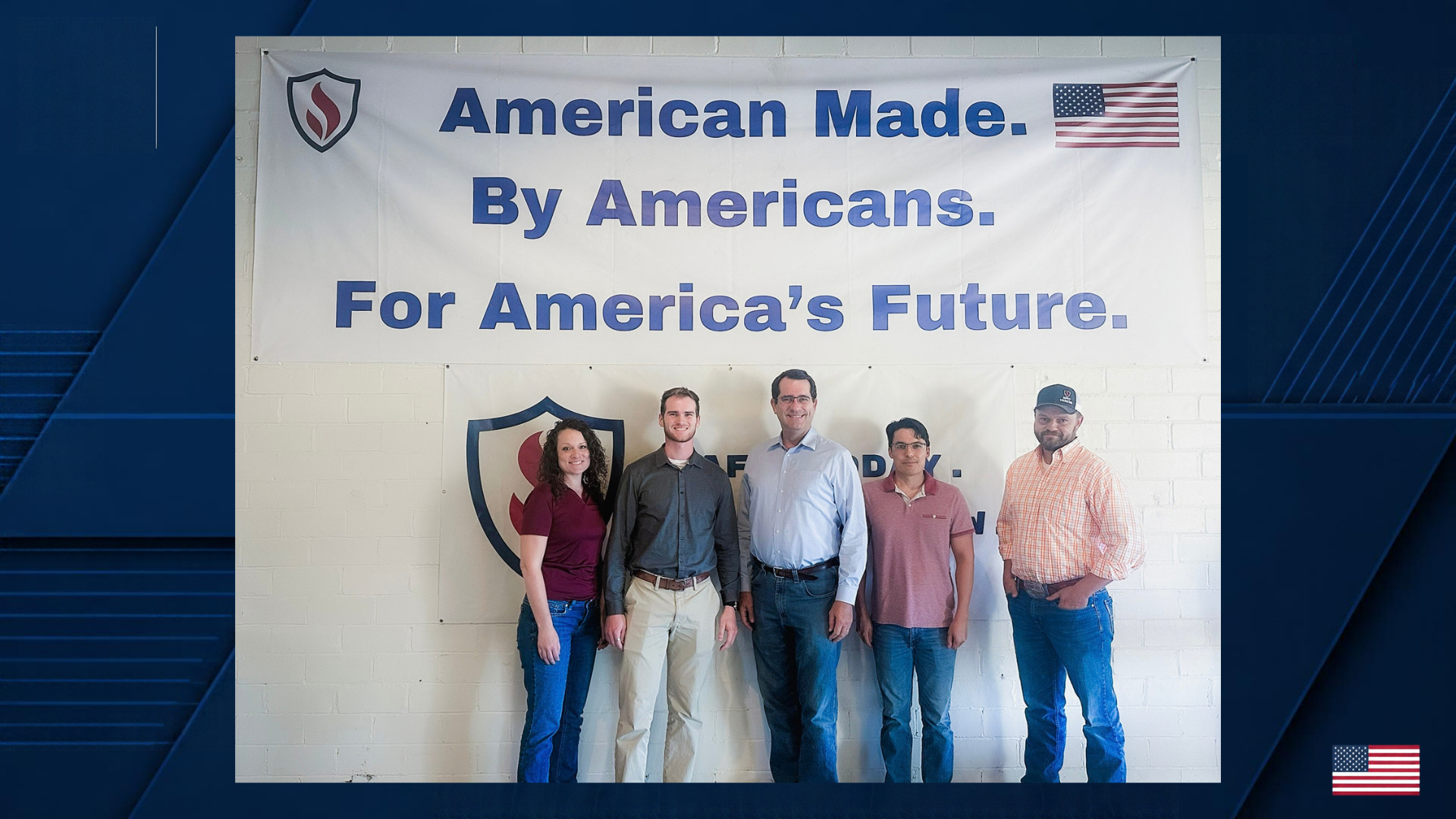
Supply Energetics recently hosted Congressman Derek Schmidt at our Parsons, Kansas facility to showcase our commitment to American-made manufacturing and local job growth. Read more about the visit.
10/07/2026

Intel
President Trump announced that 18 munition plants are currently under construction across the U.S. Here is a look at the key facility projects, missile integration plants, and artillery foundries scaling up production.
09/28/2026


Copyright © 2026 Supply Energetics All Rights Reserved.
Discover
Copyright © 2026 Supply Energetics All Rights Reserved.



 Contact Us